


PRF Hair Restoration in Linwood, NJ (South Jersey)
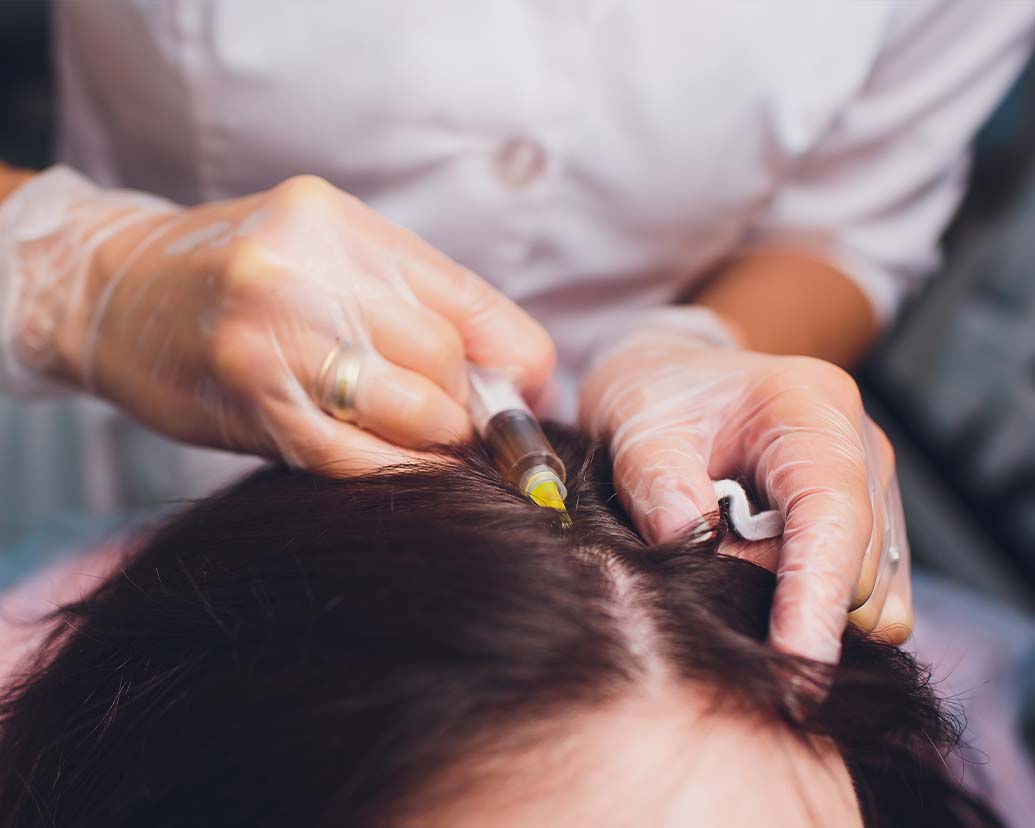
If you’re noticing thinning at the crown, a widening part, or increased shedding, you’re not alone—and you don’t have to jump straight to surgery to take action. PRF Hair Restoration (Platelet-Rich Fibrin) is a regenerative treatment that uses your own blood-derived growth factors to help support healthier follicles and a stronger scalp environment.
At Luminary Cosmetic Medicine & Hair Restoration in Linwood, NJ, PRF is a popular option for women and men who want a more natural approach to hair restoration and prefer a treatment plan that is non-surgical and designed to fit easily into real life.


How to Schedule?
Call (609) 373-6232 or BOOK ONLINE today. If none of the available times work for you, please call us.
PRF (Platelet-Rich Fibrin) is often described as a “next generation” option compared to PRP. It’s created from a small blood draw and processed to concentrate platelets and other regenerative components within a fibrin matrix—a natural scaffold that can help deliver growth factors in a more sustained way. Because protocols vary, high-quality preparation matters, and research highlights that centrifugation settings and technique can significantly influence what ends up in the final PRF product.
When PRF is placed into the scalp, the goal is to support:
- healthier follicle function
- improved appearance of density and thickness
- reduced shedding over time (for the right candidates)
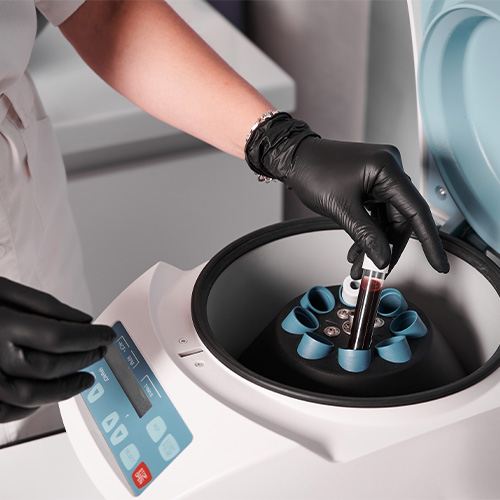
A simple, in-office process using your body’s own regenerative resources
- Blood draw
We draw a small amount of blood—similar to routine lab work. - PRF preparation
Your blood is spun in a centrifuge to separate and concentrate the PRF layer. Research shows that speed and spin time can affect how cells and platelets distribute within PRF—one reason provider experience and consistent technique matter. - Scalp application
PRF is then carefully placed into targeted areas of thinning. Treatment areas and spacing are customized to your pattern of hair loss.
What patients love about a whole-body hair approach
- Clinically tested and physician-formulated hair growth nutraceuticals
- Targets multiple root causes of thinning (not “one-size-fits-all”)
- Drug-free (dietary supplement approach)
- Designed for different life stages and needs (women, postpartum, menopause, men, etc.)
- For men with genetic thinning concerns: includes ingredients like saw palmetto to help buffer DHT effects (as described by Nutrafol)
- Third-party certified options: NSF Certified for Sport® (noted by Nutrafol)
- Clear expectations: many users start seeing visible change in 3–6 months
Why patients love this natural, non-surgical option
- Uses your own blood-derived regenerative components
- Non-surgical and performed in-office
- Minimal downtime for most patients
- Can support the appearance of thicker, healthier-looking hair over time
- Often used as part of a multi-therapy plan (when appropriate)
- PRF’s fibrin structure is often described as enabling a more gradual release of growth factors compared to PRP (protocol-dependent)
Hair grows in cycles—so results take time and consistency.
- Many protocols involve a series of sessions followed by maintenance (your provider will recommend what fits your needs).
- In a recent case series for female pattern hair loss, injectable PRF was administered in monthly sessions over a period of months.
- A systematic review evaluating injectable PRF in alopecia noted encouraging findings but also emphasized that evidence is still developing and not yet fully standardized.
Most patients begin noticing changes gradually over several months, especially when PRF is paired with a complete scalp and hair plan.
PRF stands for Platelet-Rich Fibrin. It’s an autologous (from your own body) concentrate derived from a blood draw and processed to contain platelets and regenerative factors within a fibrin matrix.
They are related but not identical. PRP is platelet-rich plasma, while PRF is platelet-rich fibrin and is often described as a newer approach with a fibrin scaffold and different preparation methods. Clinical literature also highlights that PRF outcomes can vary depending on how it’s prepared.
Most patients benefit from a series of treatments. Your plan depends on your pattern of thinning, how long it’s been happening, and your goals. Some published protocols use monthly sessions over multiple months.
PRF is not an instant fix. Because hair grows in cycles, changes typically appear gradually over several months. Published reviews describe PRF as promising, but also note that results vary and evidence is still evolving.
Most patients return to normal activities quickly. You may experience temporary tenderness, mild swelling, or redness at injection sites. (We’ll provide clear aftercare instructions.)
PRF may not be appropriate if you have certain blood/bleeding conditions, active scalp infections, or if you’re unable to safely pause certain anticoagulants (when applicable). A medical history review is essential before treatment.
Because PRF is derived from your own blood, it’s generally well-tolerated. However, as with any procedure involving injections, there are risks such as bruising, swelling, tenderness, or infection. Your provider will review risks and suitability during consultation.
Often, yes. Many patients do best with a personalized plan that may include medical-grade home care, supplements, low-level light therapy, and/or in-office options based on your needs and diagnosis. (We’ll guide you.)